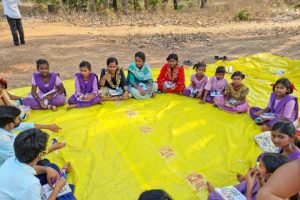
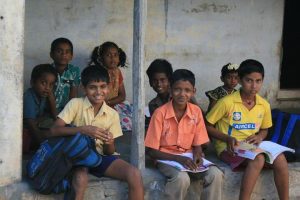
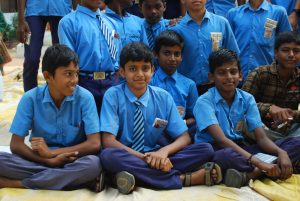
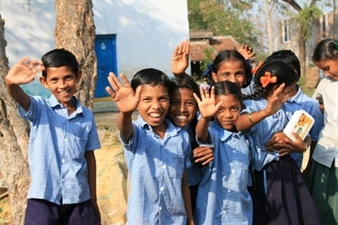
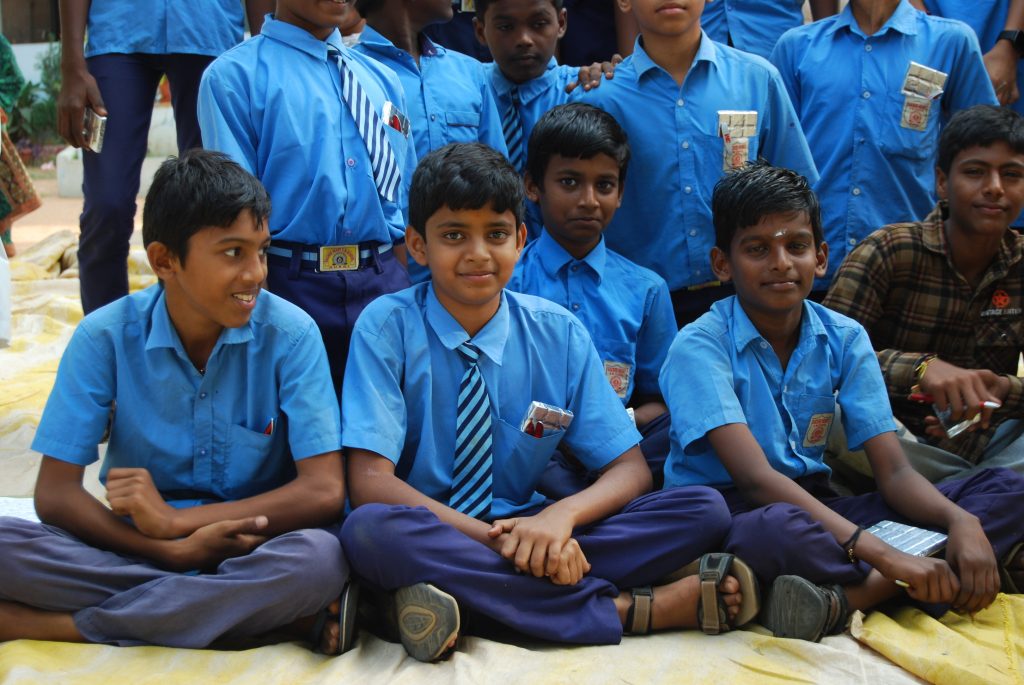
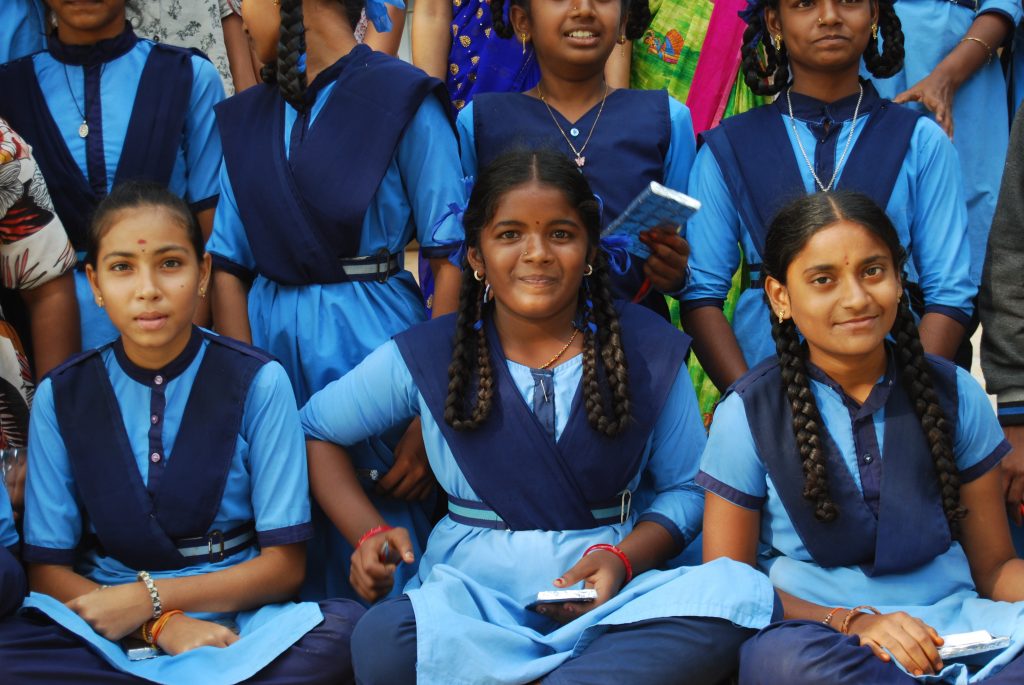
A children's parliament is a structured group of children organized according to a democratic principle. Children between the ages of 10 and 16 play an active role in these parliaments: as presidents, ministers or speakers, they are committed to issues that affect them themselves, such as education, health, environmental protection, child safety or social justice. They learn to take responsibility, develop solutions together and make democratic decisions.
Objectives and tasks
Promoting child rights under the UN Convention on Children's Rights
Democratic education through direct participation
Improving the social environment, e.g. through use against child labour or for better school conditions
Strengthening self-confidence and leadership skills of young people
On site
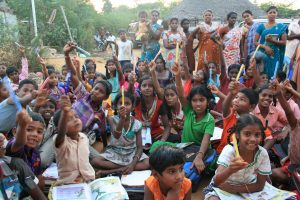
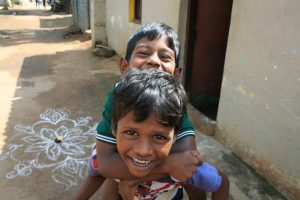
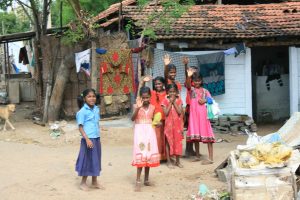
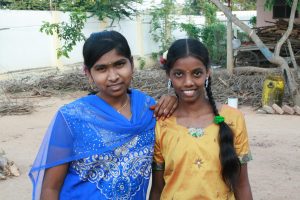
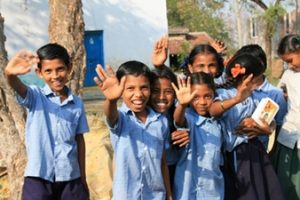
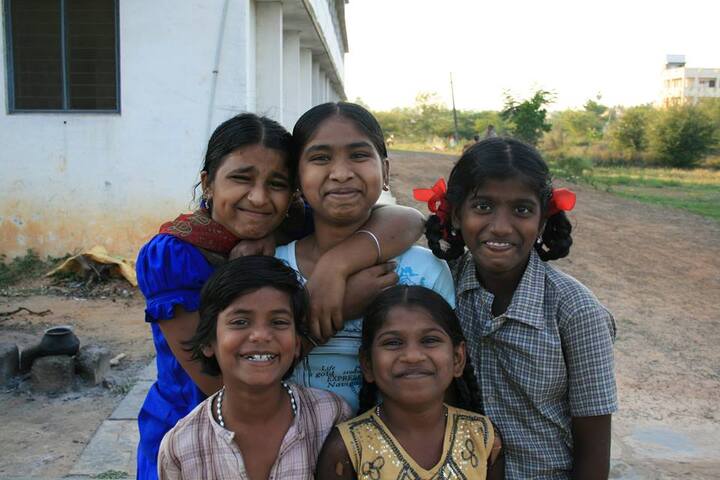
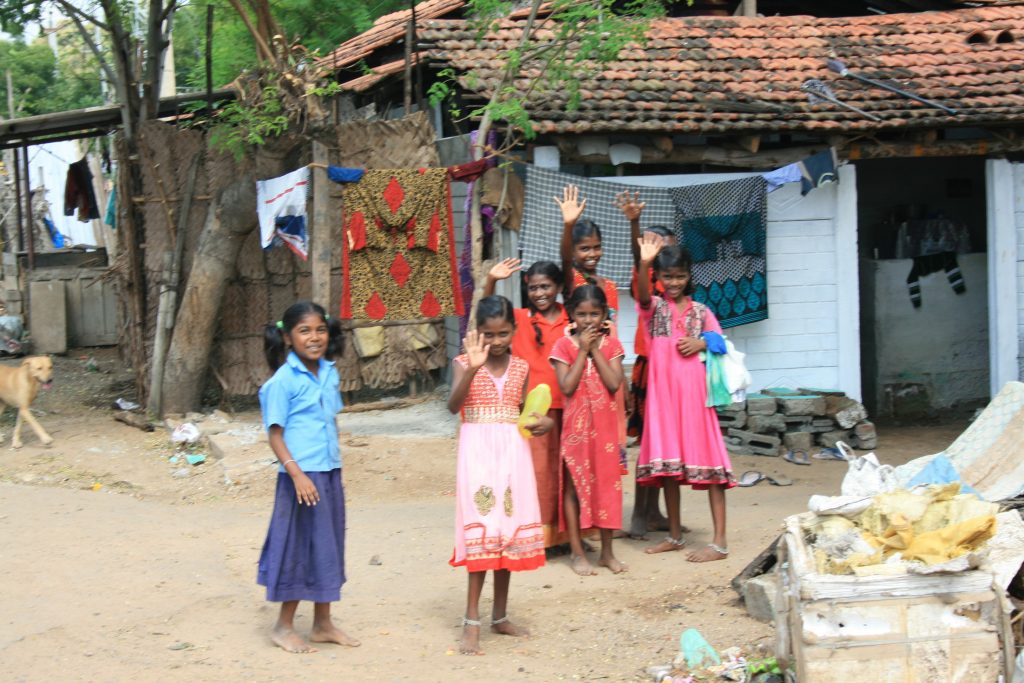
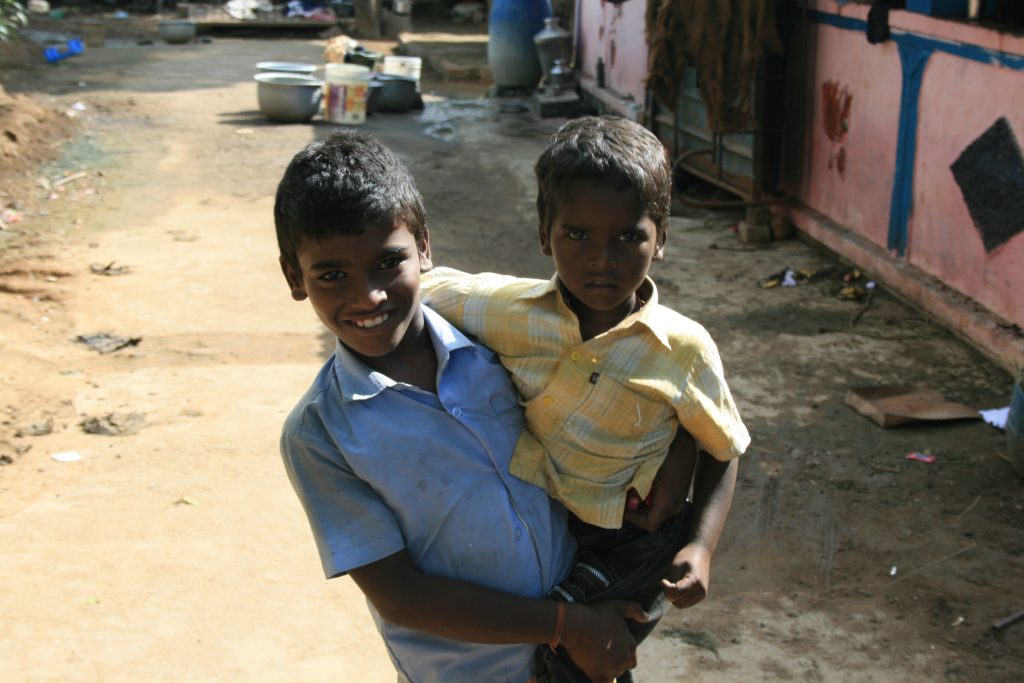
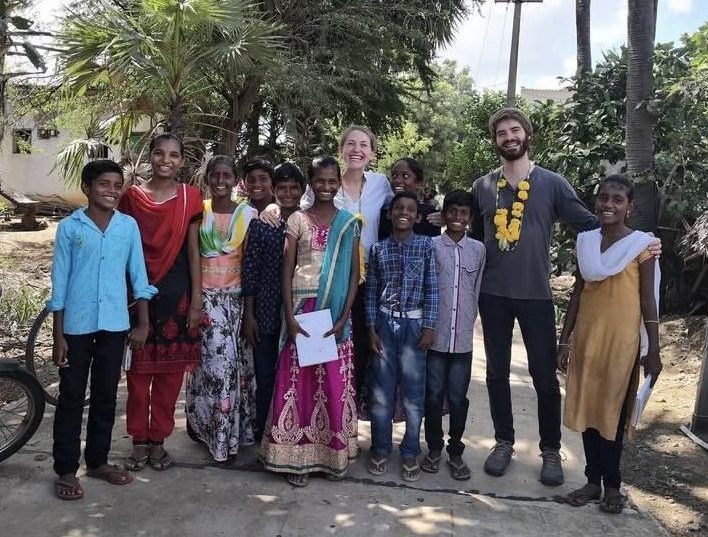
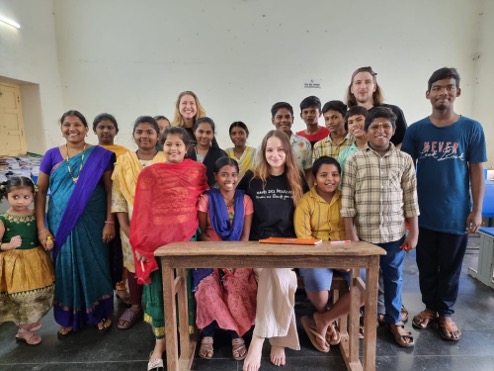
There are children's parliaments in many countries in the world – and we also rely on this effective instrument to give children a voice and promote their active participation in social processes. Currently our focus is on Andhra Pradesh (India), especially in the Guntur region. Whether in remote slums or other rural communities, we support the development and support of children's parliaments and thus strengthen the self-effectiveness and co-determination of young people.
Together strong
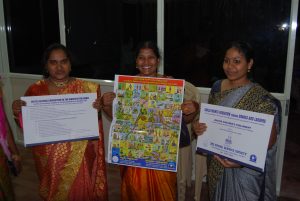
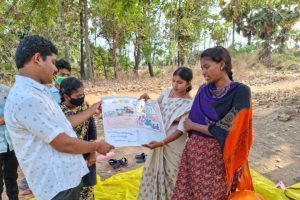
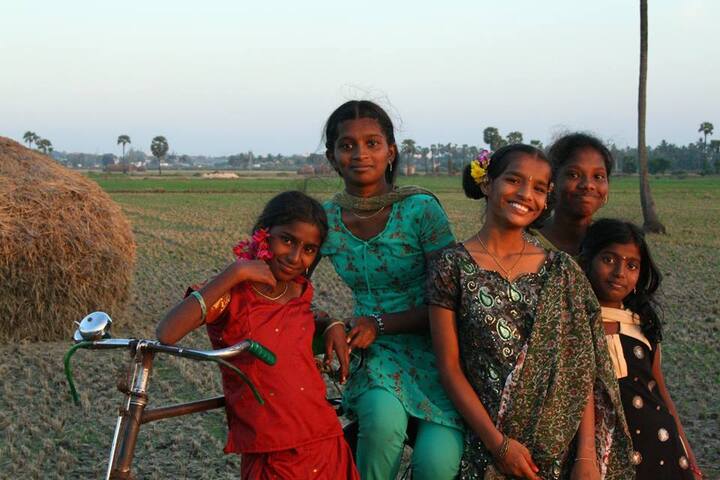
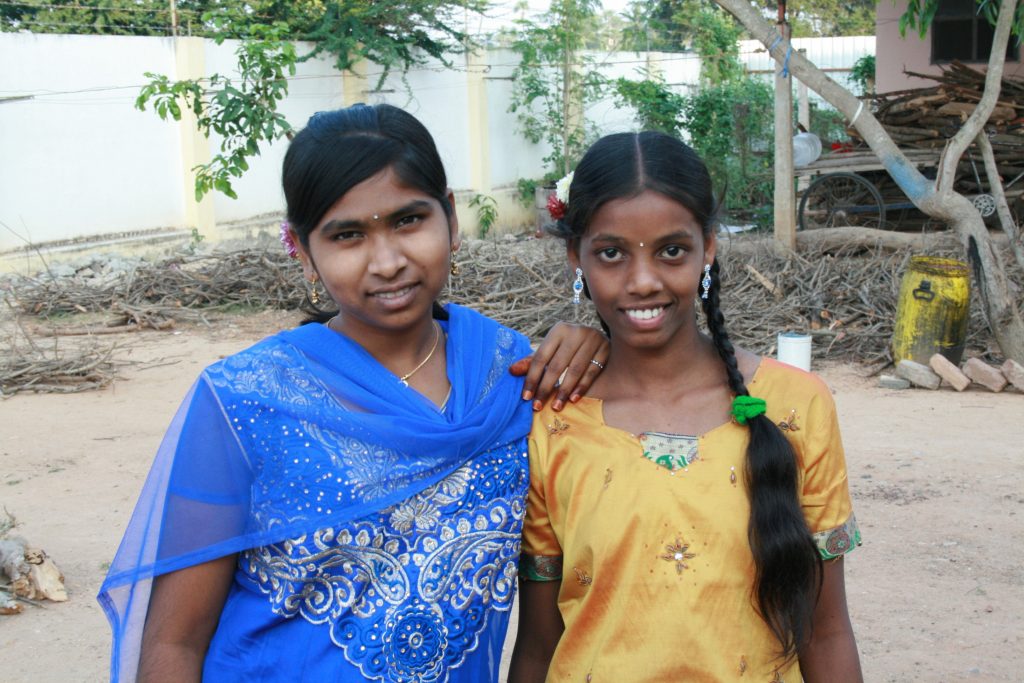
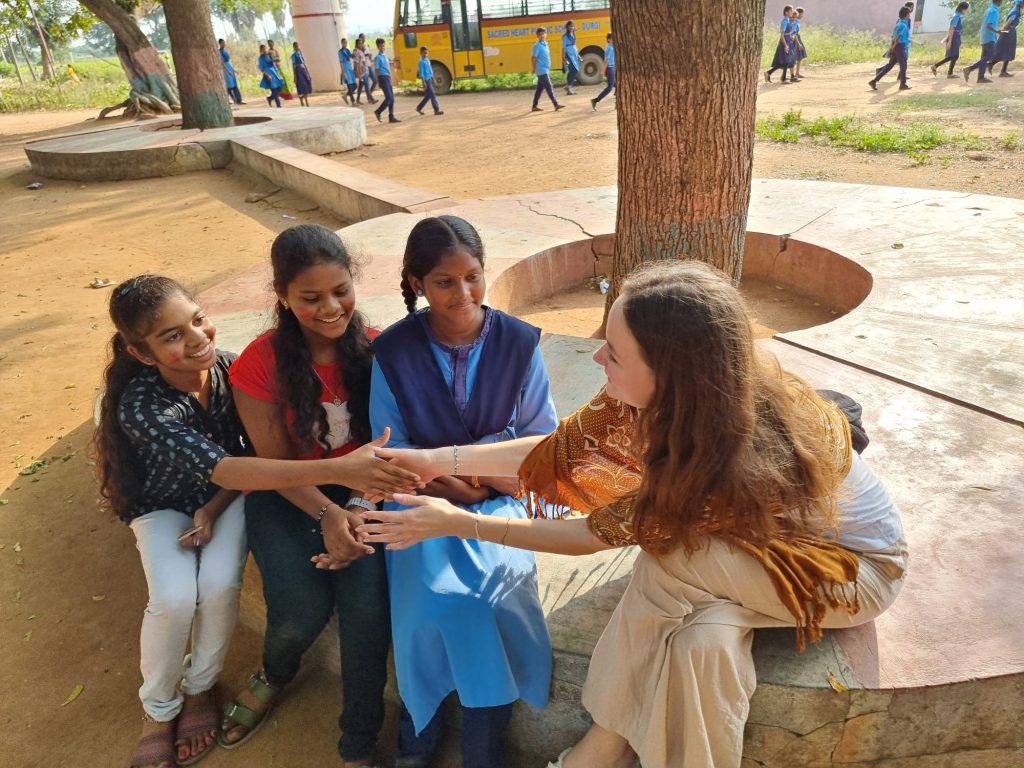
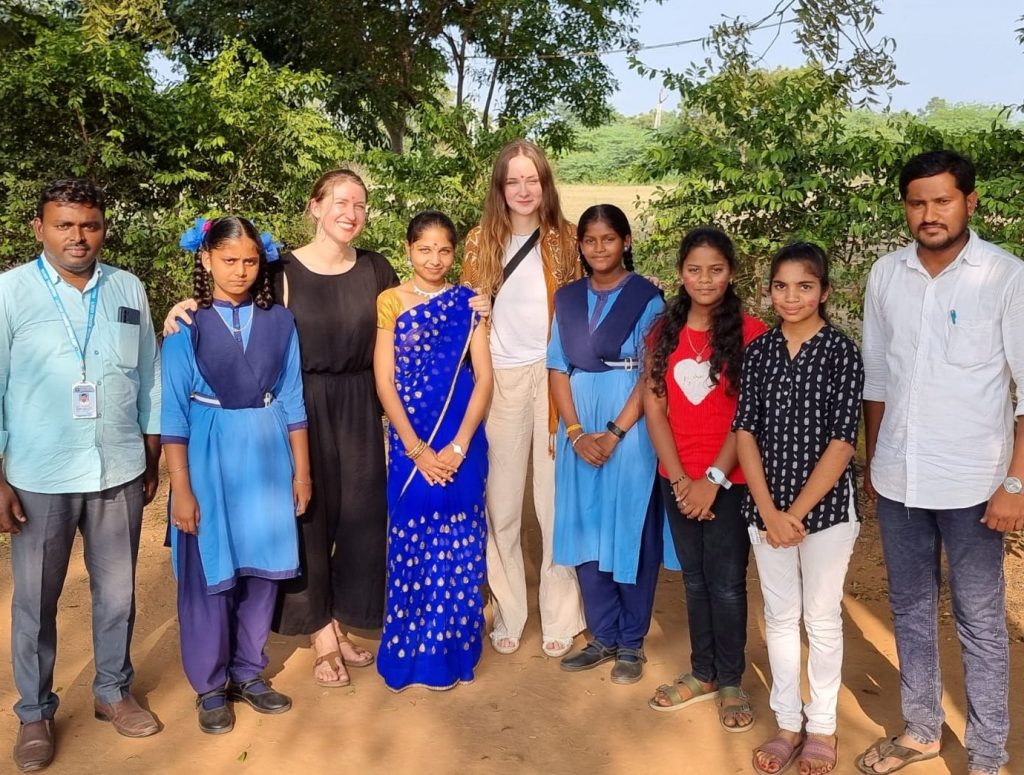
In close cooperation with local schools and our cooperation partner JMJ, we promote a culture of co-determination. The children learn how to organize meetings, discuss and present concerns to authorities and community representatives. It is particularly important to strengthen girls and use them against early marriage.
In 2024 we were able to significantly increase the number of children's parliaments in the region. Our special focus was on projects related to climate protection, child safety and health promotion. The children's parliaments are not only places of learning for democracy – they are also the driving force for sustainable change in the communities.
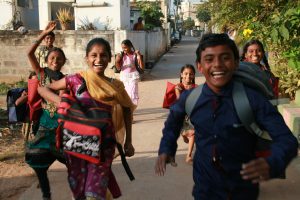
With our support, children develop self-confidence, self-responsibility and the courage to actively shape their future.
The children's parliaments promote a culture of democracy and dialogue. They learn how to hold meetings, conduct discussions and make democratic decisions. These experiences raise their awareness of teamwork, leadership and problem solving. At the same time, they will understand that their voices are important and can make changes – a valuable lesson that goes far beyond childhood.
Another important focus is on promoting girls' education and raising awareness about early marriage. The children's parliaments play an essential role by calling on authorities and community leaders to act and thus bring about long-term social changes.